Forklift attachments play a crucial role in enhancing warehouse operations by improving efficiency and safety. These specialised tools allow forklifts to perform a variety of tasks, from lifting heavy loads to manoeuvring in tight spaces. In this article, we will explore the key benefits of using forklift attachments, the essential types available, and how they can help reduce operational costs while improving return on investment (ROI). Additionally, we will discuss best practices for safety and compliance in Australia, as well as tips for selecting and maintaining the right attachments for your business. By understanding the value of forklift attachments, warehouse operators can significantly enhance productivity and safety in their operations.
To fully grasp their impact, it’s essential to understand the fundamental definition of a forklift attachment.
What is a Forklift Attachment?
A forklift attachment is a device for handling a load (other than conventional forks or a load backrest extension)
Forklift Safety Fundamentals,# 20299, Test 20300, 2017
What Are the Key Benefits of Using Forklift Attachments?
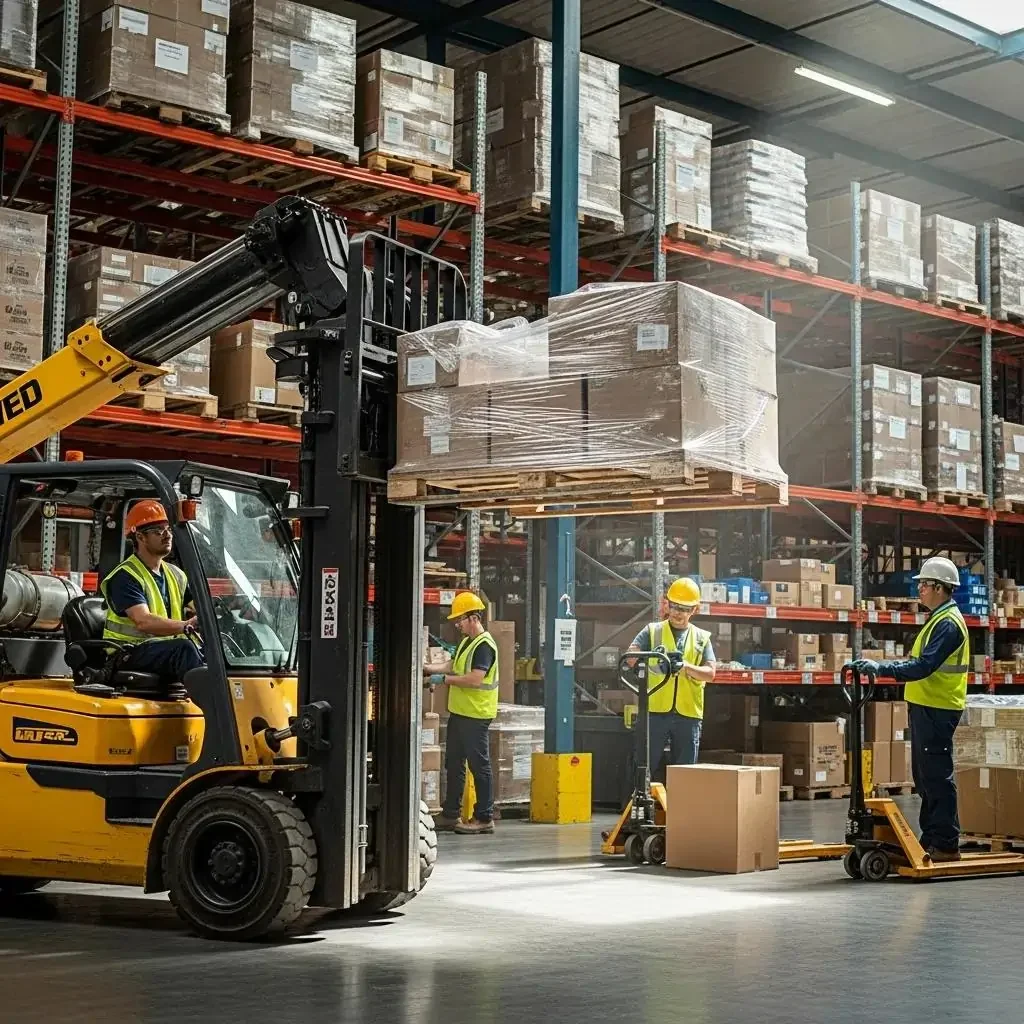
Forklift attachments offer several advantages that can transform warehouse operations. These benefits include increased efficiency, enhanced safety, and cost savings.
How Do Forklift Attachments Increase Efficiency and Productivity?
Forklift attachments are designed to optimise the capabilities of forklifts, allowing them to handle a wider range of tasks. For instance, attachments like side shifters enable precise load positioning, which reduces the time spent manoeuvring. Additionally, using specialised attachments can lead to faster loading and unloading processes, ultimately increasing overall productivity. Some industry reports suggest that warehouses utilising appropriate attachments can see productivity improvements of up to 20-30%, depending on the application.
In What Ways Do Attachments Enhance Safety in Material Handling?
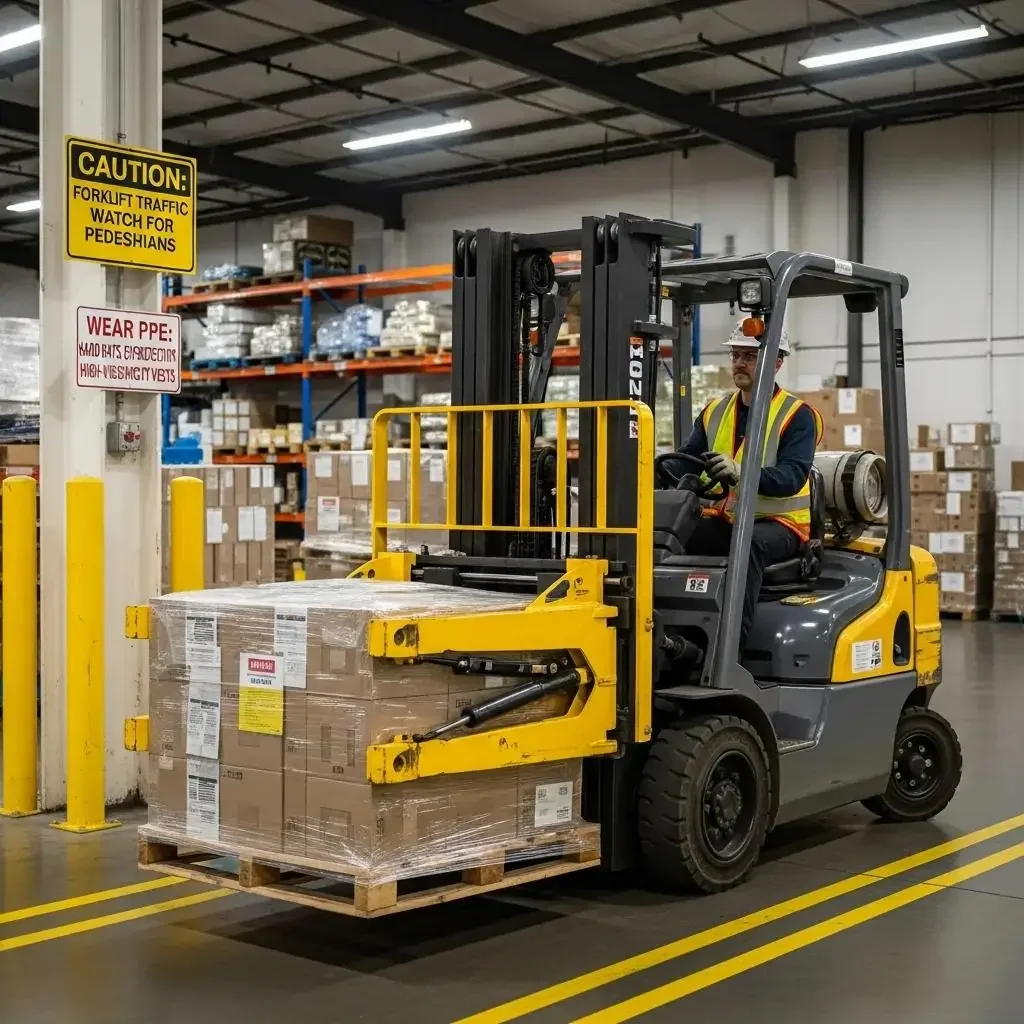
Safety is paramount in any warehouse environment, and forklift attachments contribute significantly to safer operations. Attachments such as fork extensions and clamps provide better load stability, reducing the risk of accidents. Furthermore, many attachments are designed to comply with safety regulations, ensuring that operators can work confidently. Case studies indicate that warehouses implementing safety-focused attachments have experienced a decrease in workplace injuries, though the exact reduction varies by operation and safety program.
Despite the safety enhancements offered by attachments, the inherent risks associated with forklift operations remain a significant concern, highlighting the ongoing need for vigilance.
Enhancing Forklift Safety & Productivity in Warehouses
This paper explores the challenges warehouse operations face in meeting customer demand and managing rapid growth, focusing on the role of forklift operators. Despite their versatility and importance in warehouse operations, forklifts are also a significant safety concern, with thousands of work-related injuries and fatalities recorded annually.
Forklift operator safety & productivity: A review of current research and future directions, A Sharotry, 2023
Which Types of Forklift Attachments Are Essential for Warehouse Operations?
Understanding the various types of forklift attachments is essential for optimising warehouse operations. Each attachment serves a specific purpose and can enhance the functionality of forklifts.
What Are the Features and Uses of Common Attachments Like Side Shifters and Clamps?
Common attachments include side shifters, which allow for lateral movement of loads, and clamps, which secure items during transport. Side shifters enhance maneuverability, making it easier to position loads accurately. Clamps are particularly useful for handling irregularly shaped items, providing a secure grip that minimises the risk of dropping loads. These attachments are vital for improving efficiency in diverse warehouse tasks.
How Do Fork Extensions and Rotators Handle Oversized and Complex Loads?
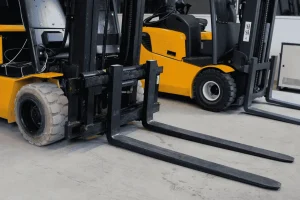
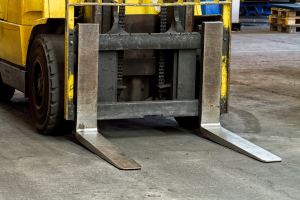
Fork extensions and rotators are essential for managing oversized and complex loads. Fork extensions increase the length of the forks, allowing for the safe handling of larger items without compromising stability. Rotators enable the forklift to rotate loads up to 360 degrees, facilitating easier placement and retrieval. These attachments are particularly beneficial in industries where oversized materials are common, such as construction and manufacturing.
How Can Forklift Attachments Help Reduce Operational Costs and Improve ROI?
Investing in forklift attachments can lead to significant cost savings and improved ROI for businesses. By enhancing the efficiency of material handling processes, these attachments can reduce labor costs and increase throughput.
What Cost Savings Result from Using Versatile Forklift Attachments?
Versatile forklift attachments can lead to substantial cost savings by minimising the need for multiple pieces of equipment. For example, a single forklift equipped with various attachments can perform tasks that would otherwise require several different machines. This consolidation reduces maintenance costs and lowers the overall capital expenditure for equipment. Additionally, the increased efficiency can lead to faster turnaround times, further enhancing profitability.
Understanding the broader financial implications of forklift operations, including maintenance and utilisation, is key to maximising the cost-saving potential of attachments.
Forklift Efficiency, Cost & Maintenance in Warehousing
Forklifts are classified as indispensable equipment utilised in manufacturing and warehousing operations. Inflated costs are usually incurred due to the lack of knowledge or little insight into the true drivers of forklift operating expenses, maintenance, life cycle and efficient utilisation. A comprehensive study on all abovementioned aspects affecting forklifts would prove beneficial in the long run for any business that utilises such a fleet.
Study on efficient forklift utilisation, cost & life cycle analysis, 2013
Indeed, a deeper understanding of forklift operating expenses, maintenance, and efficient utilisation is crucial for realising these cost savings and maximising profitability.
Forklift Efficiency, Costs, and Maintenance in Warehousing
Forklifts are classified as indispensable equipment utilised in manufacturing and warehousing operations. This equipment contributes a large percentage towards any warehouse and manufacturing operation. Inflated costs are usually incurred due to the lack of knowledge or little insight into the true drivers of forklift operating expenses, maintenance, life cycle and efficient utilisation.
Study on efficient forklift utilisation, cost & life cycle analysis, 2013
How to Calculate the Return on Investment for Forklift Attachment Purchases?
Calculating ROI for forklift attachments involves assessing the initial investment against the savings generated over time. Businesses should consider factors such as increased productivity, reduced labor costs, and lower equipment maintenance expenses. A simple formula to calculate ROI is:
By analysing these metrics, businesses can make informed decisions about which attachments to invest in.
What Are the Best Practices for Forklift Attachment Safety and Compliance in Australia?
Ensuring safety and compliance when using forklift attachments is critical for warehouse operations in Australia. Adhering to safety guidelines helps prevent accidents and ensures regulatory compliance.
Which Safety Guidelines Should Operators Follow When Using Attachments?
Operators should follow several key safety guidelines when using forklift attachments. These include conducting regular inspections of attachments, ensuring proper training for operators, and adhering to load capacity limits. Additionally, operators should always wear appropriate personal protective equipment (PPE) and be aware of their surroundings to prevent accidents.
How Do Australian Regulations Impact Forklift Attachment Usage?
Australian regulations mandate specific safety standards for forklift operations, including the use of attachments. Compliance with these regulations is essential for maintaining a safe working environment. Businesses must stay informed about any changes in legislation and ensure that all equipment meets the required safety standards, such as those outlined by Safe Work Australia and relevant state authorities.
How to Choose and Maintain the Right Forklift Attachments for Your Business?
Selecting the appropriate forklift attachments is crucial for maximising efficiency and safety in warehouse operations.
What Factors Should Be Considered When Selecting Forklift Attachments?
When choosing forklift attachments, businesses should consider factors such as the types of loads being handled, the specific tasks required, and the compatibility of attachments with existing equipment. Additionally, evaluating the quality and durability of attachments is essential to ensure long-term performance.
What Are Effective Maintenance Tips to Extend Attachment Lifespan?
To extend the lifespan of forklift attachments, regular maintenance is vital. Operators should perform routine inspections, clean attachments after use, and address any signs of wear and tear promptly. Following the manufacturer’s guidelines for maintenance can also help ensure that attachments remain in optimal condition, reducing the risk of costly repairs or replacements.
| Attachment Type | Key Features | Benefits |
|---|---|---|
| Side Shifters | Lateral movement capability | Improved load positioning |
| Clamps | Secure grip for irregular loads | Enhanced safety and stability |
| Fork Extensions | Increased fork length | Safe handling of oversized items |
| Rotators | Up to 360-degree load rotation | Easier placement and retrieval |
In conclusion, forklift attachments are essential tools that significantly boost warehouse productivity and safety. By understanding their benefits, selecting the right types, and adhering to safety regulations, businesses can optimise their material handling processes and achieve substantial cost savings. Investing in high-quality forklift attachments not only enhances operational efficiency but also contributes to a safer working environment for all employees.
Frequently Asked Questions
What types of industries benefit most from using forklift attachments?
Forklift attachments are beneficial across various industries, including manufacturing, construction, retail, and logistics. In manufacturing, they help handle heavy machinery parts, while in construction, they assist in moving oversized materials. Retail warehouses benefit from attachments that improve inventory management and loading efficiency. Logistics companies utilise attachments to streamline operations, ensuring timely deliveries. Each industry can leverage specific attachments tailored to their unique operational needs, enhancing productivity and safety in their respective environments.
How can businesses ensure compliance with safety regulations when using forklift attachments?
To ensure compliance with safety regulations, businesses should regularly review and adhere to guidelines set by local authorities, such as Safe Work Australia. This includes conducting routine inspections of forklift attachments, providing comprehensive training for operators, and maintaining accurate records of safety checks. Additionally, businesses should stay updated on any changes in legislation and ensure that all equipment meets the required safety standards. Implementing a safety management system can also help in monitoring compliance effectively.
What are the signs that forklift attachments need maintenance or replacement?
Signs that forklift attachments require maintenance or replacement include visible wear and tear, such as cracks, bends, or rust. If attachments are not functioning as intended, such as difficulty in securing loads or abnormal noises during operation, these are also indicators of potential issues. Regular inspections should be conducted to identify any problems early. If attachments consistently fail to perform or pose safety risks, it may be time to consider replacement to ensure operational efficiency and safety.
Can forklift attachments be used with all types of forklifts?
Not all forklift attachments are compatible with every type of forklift. It is crucial to ensure that the attachments are specifically designed for the forklift model in use. Factors such as weight capacity, fork size, and attachment mounting systems must be considered. Businesses should consult with manufacturers or suppliers to confirm compatibility before purchasing attachments. Using the wrong attachment can lead to safety hazards and operational inefficiencies, so proper matching is essential.
What training is necessary for operators using forklift attachments?
Operators using forklift attachments should undergo comprehensive training that covers both general forklift operation and specific training on the attachments being used. This includes understanding the attachment’s features, load capacities, and safety protocols. Training should also encompass best practices for maintenance and inspection procedures. Regular refresher courses can help ensure that operators remain knowledgeable about safety regulations and operational techniques, ultimately reducing the risk of accidents and improving overall efficiency.
How do seasonal changes affect the use of forklift attachments?
Seasonal changes can significantly impact the use of forklift attachments, particularly in industries with fluctuating workloads. For instance, during peak seasons, such as holidays, warehouses may require more versatile attachments to handle increased inventory efficiently. Conversely, in off-peak seasons, businesses might focus on maintenance and storage of attachments. Additionally, weather conditions can affect safety and operational efficiency, necessitating adjustments in attachment usage and operator training to adapt to changing environments.
What types of industries benefit most from using forklift attachments?
Forklift attachments are beneficial across various industries, including manufacturing, construction, retail, and logistics. In manufacturing, they help handle heavy machinery parts, while in construction, they assist in moving oversized materials. Retail warehouses benefit from attachments that improve inventory management and loading efficiency. Logistics companies utilise attachments to streamline operations, ensuring timely deliveries. Each industry can leverage specific attachments tailored to their unique operational needs, enhancing productivity and safety in their respective environments.
How can businesses ensure compliance with safety regulations when using forklift attachments?
To ensure compliance with safety regulations, businesses should regularly review and adhere to guidelines set by local authorities, such as Safe Work Australia. This includes conducting routine inspections of forklift attachments, providing comprehensive training for operators, and maintaining accurate records of safety checks. Additionally, businesses should stay updated on any changes in legislation and ensure that all equipment meets the required safety standards. Implementing a safety management system can also help in monitoring compliance effectively.
What are the signs that forklift attachments need maintenance or replacement?
Signs that forklift attachments require maintenance or replacement include visible wear and tear, such as cracks, bends, or rust. If attachments are not functioning as intended, such as difficulty in securing loads or abnormal noises during operation, these are also indicators of potential issues. Regular inspections should be conducted to identify any problems early. If attachments consistently fail to perform or pose safety risks, it may be time to consider replacement to ensure operational efficiency and safety.
Can forklift attachments be used with all types of forklifts?
Not all forklift attachments are compatible with every type of forklift. It is crucial to ensure that the attachments are specifically designed for the forklift model in use. Factors such as weight capacity, fork size, and attachment mounting systems must be considered. Businesses should consult with manufacturers or suppliers to confirm compatibility before purchasing attachments. Using the wrong attachment can lead to safety hazards and operational inefficiencies, so proper matching is essential.
What training is necessary for operators using forklift attachments?
Operators using forklift attachments should undergo comprehensive training that covers both general forklift operation and specific training on the attachments being used. This includes understanding the attachment’s features, load capacities, and safety protocols. Training should also encompass best practices for maintenance and inspection procedures. Regular refresher courses can help ensure that operators remain knowledgeable about safety regulations and operational techniques, ultimately reducing the risk of accidents and improving overall efficiency.
How do seasonal changes affect the use of forklift attachments?
Seasonal changes can significantly impact the use of forklift attachments, particularly in industries with fluctuating workloads. For instance, during peak seasons, such as holidays, warehouses may require more versatile attachments to handle increased inventory efficiently. Conversely, in off-peak seasons, businesses might focus on maintenance and storage of attachments. Additionally, weather conditions can affect safety and operational efficiency, necessitating adjustments in attachment usage and operator training to adapt to changing environments.