Unlocking Efficiency: Forklift Attachment Benefits to Improve Your Warehouse Operations
In the fast-paced world of warehouse management, operational efficiency is paramount. Forklift attachments play a crucial role in enhancing productivity, safety, and cost-effectiveness within warehouse environments. This article delves into the various benefits of using forklift attachments, exploring how they can transform your warehouse operations. Readers will learn about the key advantages of these attachments, the types available, and best practices for their maintenance. Additionally, we will discuss how to select the right attachments for your specific needs and the cost savings they can provide.
What Are the Key Benefits of Using Forklift Attachments in Warehouses?
Forklift attachments offer several key benefits that significantly enhance warehouse operations. These advantages include increased productivity, improved safety, and substantial cost savings. By integrating the right attachments, businesses can streamline their material handling processes, reduce manual labor, and ensure safer working conditions.
How Do Forklift Attachments Increase Warehouse Productivity and Speed?
Forklift attachments are designed to improve operational speed and efficiency. For instance, using fork extensions allows for handling longer or larger items safely, enabling operators to lift and transport loads that would otherwise require additional equipment or multiple trips. This reduces the time spent on each task, leading to a more efficient workflow. Furthermore, attachments like side shifters enable precise positioning of loads, minimising the need for repositioning and enhancing overall productivity.
In What Ways Do Forklift Attachments Enhance Safety and Reduce Risks?
Safety is a critical concern in any warehouse environment. Forklift attachments contribute to enhanced safety by ensuring secure load handling. For example, clamps and rotators help stabilise loads during transport, significantly reducing the risk of accidents. While specific statistics vary by industry and region, warehouses utilising appropriate attachments generally experience fewer workplace injuries, as these tools help comply with safety standards and regulations.
The ongoing challenge of ensuring forklift operator safety and efficiency in warehouses is a subject of continuous research and development.
Enhancing Forklift Safety & Productivity in Warehouse Operations
This paper explores the challenges warehouse operations face in meeting customer demand and managing rapid growth, focusing on the role of forklift operators. Despite their versatility and importance in warehouse operations, forklifts are also a significant safety concern, with thousands of work-related injuries and fatalities recorded annually. The paper presents findings from a literature review on the factors related to forklift operator safety and efficiency, including energy consumption, training, the Internet of Things, ergonomics, and human factors such as worker fatigue. The study aims to develop a methodological framework to enhance the efficiency and safety of forklift operators by integrating these factors.
Forklift operator safety & productivity: A review of current research and future directions, A Sharotry, 2023
Which Types of Forklift Attachments Optimise Warehouse Efficiency?
Various types of forklift attachments are available, each designed to optimise specific aspects of warehouse efficiency. Understanding these options can help businesses select the most suitable attachments for their operations.
What Are the Applications of Fork Extensions and Fork Positioners?
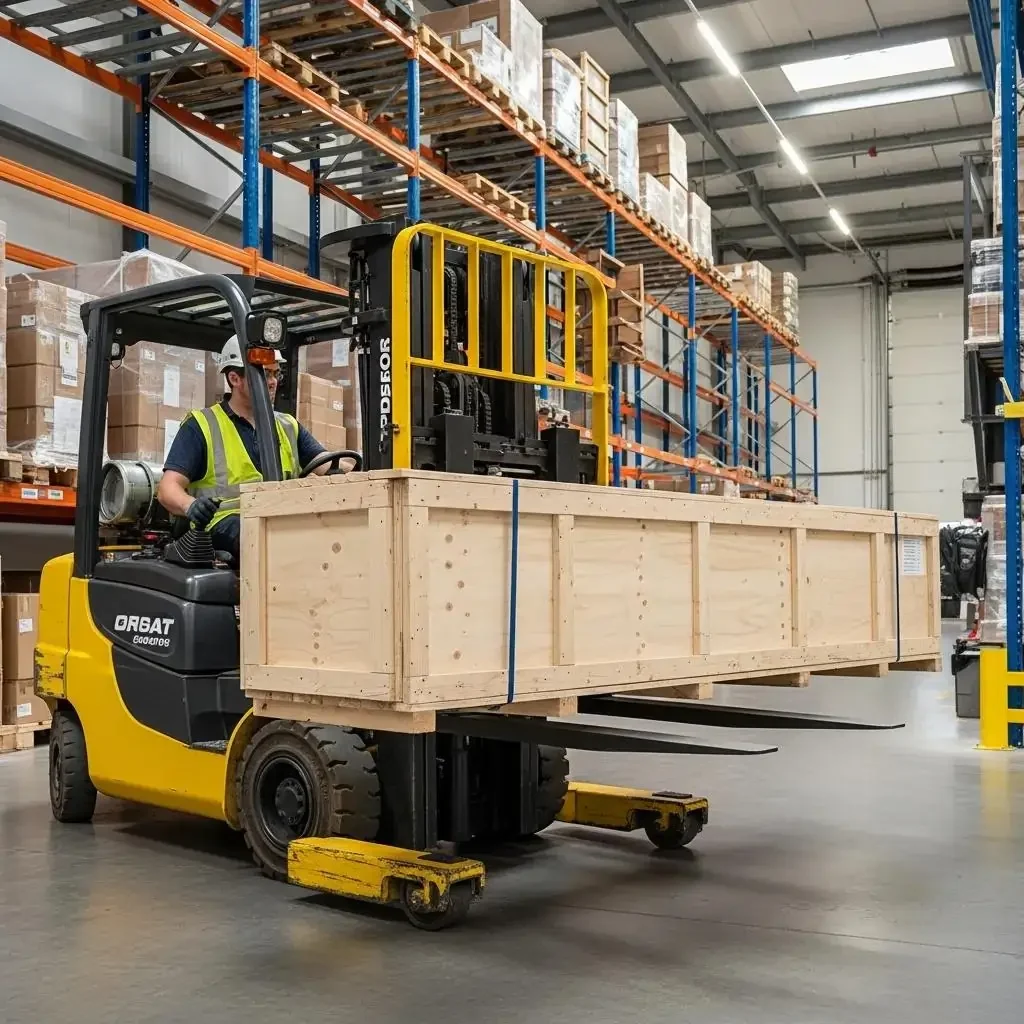
Fork extensions and positioners are versatile attachments that allow forklifts to handle different load sizes effectively. Fork extensions enable operators to lift wider or longer loads safely, while fork positioners facilitate quick adjustments to the fork width, improving load stability. This versatility is particularly beneficial in industries where load sizes frequently vary, such as construction and manufacturing.
How Do Clamps, Rotators, and Side Shifters Improve Material Handling?
Clamps, rotators, and side shifters enhance material handling by providing flexibility and precision. Clamps securely grip loads, preventing slippage during transport. Rotators allow for easy load orientation, which is essential for tasks like unloading containers or rotating loads for stacking. Side shifters enable lateral movement of loads, making it easier to position items accurately without needing to reposition the entire forklift.
How Can You Choose the Right Forklift Attachments for Your Warehouse Needs?
Selecting the appropriate forklift attachments is crucial for maximising efficiency and safety in warehouse operations. Several factors should be considered during this process.
What Factors Should Be Considered When Selecting Forklift Attachments?
When choosing forklift attachments, businesses should evaluate factors such as load capacity, attachment compatibility with the forklift model, and operational requirements. Understanding the specific needs of your warehouse will help ensure that the selected attachments enhance productivity without compromising safety.
How Does Mandarin Imports Exports Support Attachment Selection and After-Sales Service?
Mandarin Imports & Exports specialises in providing expert consultation for selecting the right forklift attachments. Their extensive knowledge of warehouse solutions ensures that businesses receive tailored recommendations based on their unique operational needs. Additionally, they offer comprehensive after-sales support, including maintenance advice and parts availability, ensuring that clients can maintain optimal performance from their attachments.
What Are the Best Practices for Maintaining Forklift Attachments to Ensure Efficiency?
Regular maintenance of forklift attachments is essential for ensuring their longevity and performance. Implementing best practices can significantly enhance the efficiency of these tools.
How Does Regular Maintenance Improve Forklift Attachment Performance?
Regular maintenance, including inspections and servicing, can improve the performance of forklift attachments. By addressing wear and tear promptly, businesses can prevent costly downtime and extend the lifespan of their equipment. Well-maintained attachments operate more reliably and efficiently, contributing to overall warehouse productivity.
What Safety Guidelines and Training Are Essential for Forklift Attachment Use?
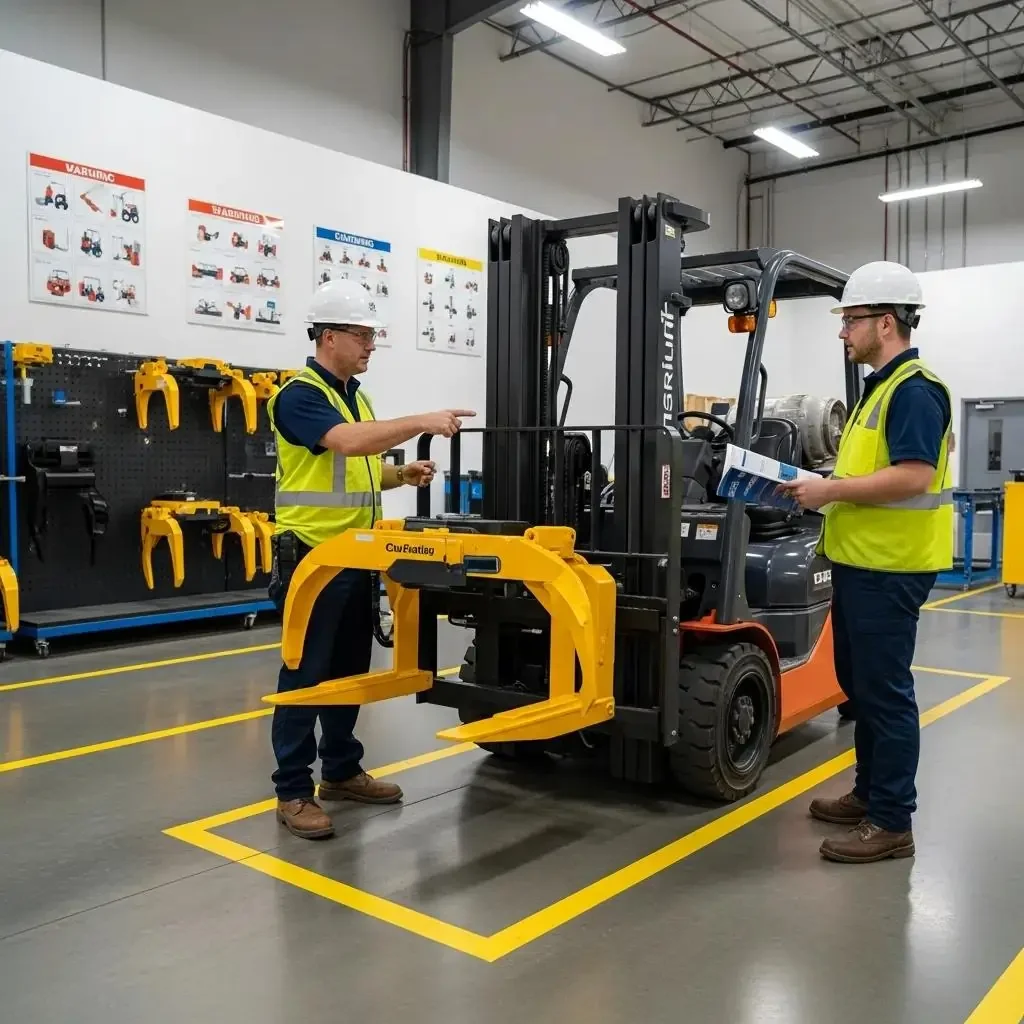
Proper training and adherence to safety guidelines are critical for the safe use of forklift attachments. Operators should be trained on the specific attachments they will be using, including safety protocols and operational best practices. This training helps ensure compliance with safety regulations and reduces the risk of accidents in the workplace.
How Do Forklift Attachments Deliver Cost Savings and Return on Investment?
Investing in forklift attachments can lead to significant cost savings and a strong return on investment (ROI) for businesses.
In What Ways Do Attachments Reduce Labour and Equipment Costs?
Forklift attachments can reduce labor costs by minimising the need for manual handling of materials. By automating certain tasks, businesses can operate with fewer personnel, leading to lower labor expenses. Additionally, attachments can reduce equipment wear and tear by enabling safer and more efficient load handling, resulting in lower maintenance costs over time.
How Can Durable Attachments Minimise Product Damage and Downtime?
Durable forklift attachments are designed to withstand the rigors of daily use, minimising the risk of product damage during handling. This durability not only protects inventory but also reduces downtime associated with equipment failure. Investing in high-quality attachments can lead to long-term savings and improved operational efficiency.
Why Choose Mandarin Imports Exports for Forklift Attachments and Warehouse Solutions in Sydney?
Mandarin Imports Exports stands out as a premier supplier of forklift attachments and warehouse solutions in Sydney, offering unique value to businesses.
What Unique Value Does Mandarin Imports Exports Offer for Warehouse Efficiency?
Mandarin Imports Exports provides a diverse range of forklift attachments tailored to enhance warehouse efficiency. Their expertise in warehouse solutions ensures that clients receive the best products for their specific needs, backed by exceptional customer service and support.
Which Sydney Areas and Industries Does Mandarin Imports Exports Serve?
Mandarin Imports Exports serves various industries across Sydney, including logistics, manufacturing, and construction. Their comprehensive understanding of local market needs allows them to provide tailored solutions that meet the demands of diverse operational environments.
Frequently Asked Questions
What are the most common types of forklift attachments available?
The most common types of forklift attachments include fork extensions, clamps, rotators, side shifters, and fork positioners. Each type serves a specific purpose, enhancing the forklift's ability to handle various loads. For instance, fork extensions allow for the safe lifting of longer items, while clamps secure loads during transport. Understanding the different types of attachments can help businesses select the most suitable options for their operational needs, ultimately improving efficiency and safety in the warehouse.
How can forklift attachments improve inventory management?
Forklift attachments can significantly enhance inventory management by enabling more efficient handling and storage of goods. Attachments like side shifters allow for precise positioning of items, making it easier to organise inventory in tight spaces. Additionally, using clamps and rotators can facilitate quicker loading and unloading processes, reducing the time spent on inventory tasks. This improved efficiency not only streamlines operations but also helps maintain accurate stock levels, ultimately leading to better overall inventory control.
What training is required for forklift operators using attachments?
Forklift operators using attachments must undergo specific training that covers the safe operation of each attachment type. This training should include understanding the attachment's functionality, safety protocols, and best practices for load handling. Operators should also be familiar with the forklift's specifications and limitations when using attachments. Regular refresher courses can help ensure that operators remain compliant with safety regulations and are equipped to handle various scenarios that may arise during operations.
Are there any regulations governing the use of forklift attachments?
Yes, there are regulations governing the use of forklift attachments, primarily focused on safety and operational standards. In many regions, these regulations require that attachments be compatible with the forklift model and that operators receive proper training. Additionally, safety standards often mandate regular inspections and maintenance of both forklifts and attachments to ensure they are in safe working condition. Compliance with these regulations is crucial for minimising workplace accidents and ensuring a safe working environment.
How do I know if my forklift is compatible with specific attachments?
To determine if your forklift is compatible with specific attachments, consult the forklift's manufacturer guidelines and specifications. These documents typically outline the types of attachments that can be safely used with the model. Additionally, you can seek advice from suppliers or experts in forklift attachments, who can provide insights based on the forklift's capacity and design. Ensuring compatibility is essential for maintaining safety and operational efficiency in your warehouse.
What are the signs that a forklift attachment needs maintenance?
Signs that a forklift attachment needs maintenance include visible wear and tear, unusual noises during operation, and difficulty in handling loads. If operators notice that attachments are not functioning as smoothly as before or if there are signs of damage, such as cracks or bent components, it is crucial to conduct a thorough inspection. Regular maintenance checks can help identify these issues early, preventing potential accidents and ensuring the longevity of the attachments.