Heavy Duty Forklift Tynes: Which Option Is Best for Your Load and Application?
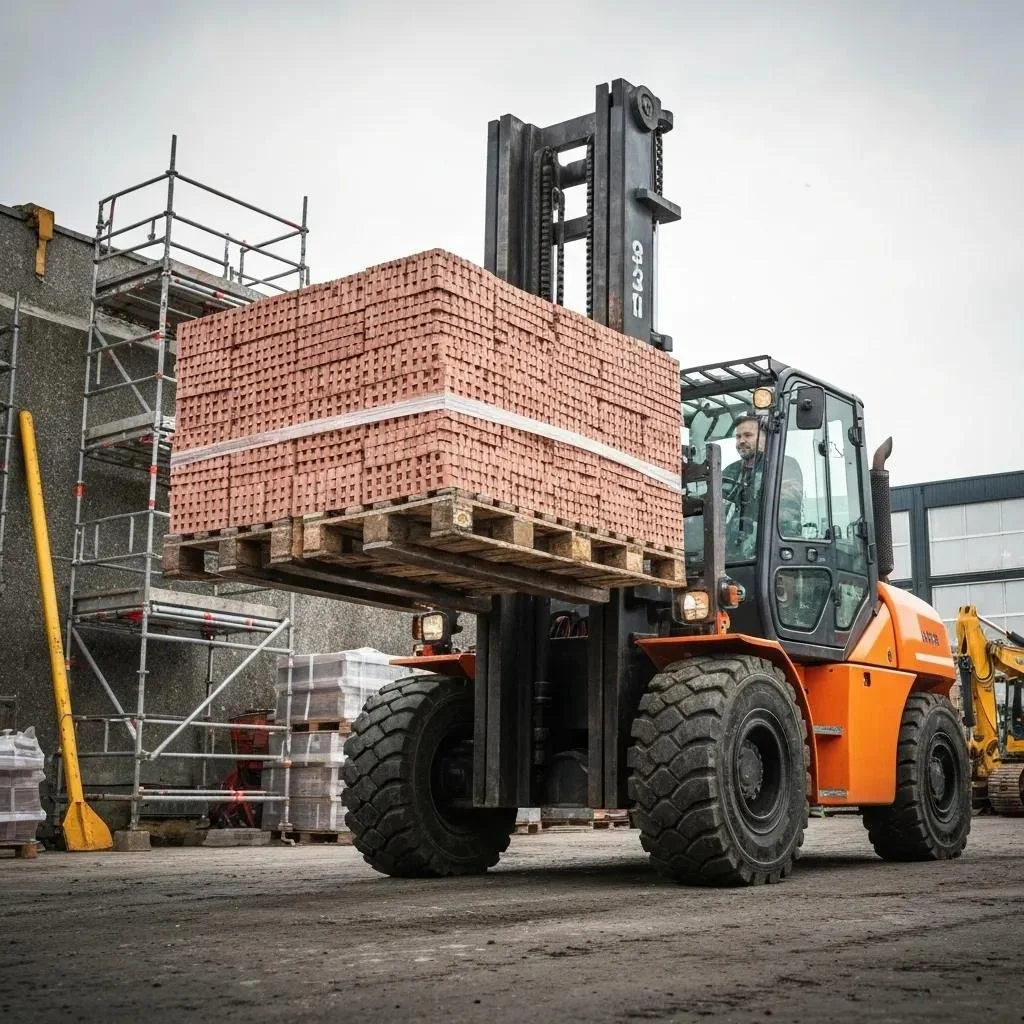
Choosing the right heavy duty forklift tynes is a safety-critical and cost-defining decision for any operation handling large, dense or irregular loads. This guide explains what heavy duty tynes are, how materials and design choices change rated capacity and service life, and which inspection and compliance steps protect your workforce and assets. Readers will learn how to calculate required capacity using load centre principles, compare chrome-manganese against stainless and aluminium, and match tyne types, from standard and tapered to telescopic and coil-handling cradles, to real-world applications. Practical decision tools such as a selection checklist, comparison tables and inspection schedules are included to speed specification and reduce the total cost of ownership. Where relevant, local supplier solutions and custom options available in Sydney are noted to help you act on specification decisions efficiently.
What Are Heavy Duty Forklift Tynes and Why Are They Essential?
Heavy duty forklift tynes are reinforced fork blades engineered to carry higher static and dynamic loads than standard forks, providing increased lifting capacity and durability through thicker cross-sections, stronger steels and modified geometries. By increasing section modulus and impact toughness, these tynes reduce bending and fatigue under repeated heavy lifts, improving safety margins and uptime for demanding operations. Their core benefits are measurable in fewer replacements, reduced downtime and safer handling of concentrated or off-centre loads. Heavy duty tynes are commonly used in construction yards, steel mills, heavy manufacturing and any warehouse handling oversized pallets or dense bulk items; selecting the wrong tyne risks structural failure and voided warranties.
Heavy duty tynes therefore combine mechanical reinforcement with appropriate mounting compatibility to deliver reliable performance, and that leads directly to the selection criteria discussed in the next section.
Lion's Mane-style semantic closure: the practical anatomy of a tyne explains how each component, blade, shank, heel and tip, affects capacity and wear.
What is the anatomy and terminology of forklift tynes?
A tyne comprises a blade (the load-bearing portion), shank (the web taper connecting blade to heel), heel (the stiffened rear section), tip (the forward end) and the mounting hooks or locking pins that secure the tyne to the carriage. These meronymous parts work together: blade thickness and section shape determine bending strength, while the shank geometry affects buckling resistance under compressive loads. Load centre, the horizontal distance from the carriage face to the centre of gravity, directly modifies the effective capacity, so tyne length and tip position are critical to rated capacity. Understanding the terminology helps you interpret capacity plates and match forks to carriage classes to avoid overload and premature wear, which we explore next.
Last sentence transition: knowing the anatomy clarifies how to calculate required capacity, which is the next essential step.
How do heavy duty tynes improve material handling efficiency?
Heavy duty tynes improve efficiency by allowing operators to handle larger unit loads in a single lift, reducing the number of lifts per job and lowering cycle time. Higher toughness and wear resistance mean tynes remain in service longer between regrinds or replacements, which reduces maintenance labour and spare inventory costs. Their compatibility with specialised attachments, for example, coil cradles or drum grabs, broadens operational capability without replacing the entire forklift. Because these gains are measurable, specifying the right tyne length, thickness and mount class converts directly into reduced total cost of ownership and improved throughput for heavy-load workflows.
Transition to next section: with these operational benefits in mind, the next step is a structured approach to choosing the right tyne for your specific load and carriage.
How Do You Choose the Best Heavy Duty Forklift Tyne?
Choosing the best heavy duty tyne starts by defining the required load capacity and working load centre, then matching dimensions, thickness and mount class so the fork’s rated capacity meets your operational demands. Effective selection means measuring the typical and maximum loads, checking carriage compatibility (FEM/Class), and accounting for attachments or dynamic impacts that reduce safe working loads. A deliberate selection process reduces safety risks and prevents costly rework or early replacement of tynes. The checklist below condenses the essential decision factors to capture the critical specification steps before ordering.
Use this short decision list when specifying heavy-duty tynes:
Determine maximum and typical load weights and the load centre for each load type.
Select tyne length, width and thickness to achieve required bending and shear capacity.
Confirm carriage mounting class (FEM/ISO) and locking method to ensure fit and safety.
Account for attachments, impact factors and environmental influences on material choice.
Summary paragraph: a clear, repeatable spec process protects safety and TCO, and the next content provides worked examples and a compact reference table to help calculate required capacity and dimensions.
Intro to the table: the table that follows structures selection factors so you can convert requirements into specification values quickly.
| Selection Factor | Why it matters | How to measure / choose |
|---|---|---|
| Load capacity (kg or t) | Defines baseline structural requirement | Use maximum operational load + safety factor (usually 1.25–1.5) |
| Load centre (mm) | Shifts effective capacity; longer centres reduce rated load | Measure distance from carriage face to cargo COG; choose tyne length accordingly |
| Tyne length & overhang | Affects leverage and bending moment | Select shortest practical tyne that positions load near carriage face |
| Tyne thickness & section | Governs bending and fatigue resistance | Choose thicker cross-section for repeated heavy lifts; consult manufacturer tables |
| Carriage / mounting class | Ensures secure fit and rated performance | Verify FEM / ISO class stamped on carriage and tyne mounting hooks |
Summary of table: using these selection factors as measurable attributes allows you to translate operational needs into precise tyne specifications and avoids common mismatches that compromise capacity or safety.
After a structured selection approach, many operations benefit from supplier input to shorten specification time and reduce risk. The paragraph below outlines how a local supplier can assist without replacing technical judgement.
Mandarin Imports Exports provides consultative support in Sydney to help customers determine load capacity, carriage class compatibility and custom sizing, reducing specification time and risk. They can advise on suitable FEM class tynes and recommend reinforcement options for extreme-duty applications while keeping the technical selection points above as the basis for any quote. Working with a local supplier helps verify mounting types on-site and speeds procurement of custom lengths or special materials where needed. Their practical guidance shortens the path from measurement to fulfilment so you get the correct tyne first time.
Transition: with selection and supplier support covered, material choice is the next crucial decision affecting longevity and corrosion resistance.
What load capacity and dimensions should you consider?
Calculating required capacity uses the measured load weight and load centre to check the forklift’s rated capacity at that centre, then selecting forks with an equal or greater rated capacity when mounted. Always add a practical safety factor for dynamic lifts and impact; typical practice uses 1.25–1.5 depending on duty cycle and shock loading. Tyne dimensions follow rules of thumb: wider blades improve load distribution, thicker blades increase section modulus, and shorter overhangs reduce bending moment. A worked example: a 2,000 kg pallet with a 600 mm load centre requires a tyne capacity that meets the forklift rating at 600 mm; increasing blade thickness or selecting a reinforced section addresses any shortfall.
The load-carrying capacity of all tynes is engineered to accommodate a specified load at a predetermined load centre, and provided this capacity is adhered to, the geometry of the blade section may differ.
Tyne Load Capacity and Blade Design of Forklifts
All tynes are engineered to accommodate a specified load at a predetermined load centre. Provided this load-carrying capacity is adhered to, the geometry of the blade section may differ.
A Guidebook of Industrial Traffic Management & Forklift Safety, TJ Larsson, 2003
Transition: correctly matching capacity and dimensions depends on verifying carriage compatibility, which is explained next.
How does forklift carriage class compatibility affect tyne selection?
Forklift carriage class (FEM or ISO) determines mounting hook geometry and rated shear capacity, so selecting a tyne whose hooks and locking method match the carriage is essential to maintain rated capacity. Mismatched mounts can allow slip, create uneven load paths or void manufacturer warranties, and may present immediate safety risks under heavy loads. Verify the carriage class marking and compare it to the tyne’s mounting class; when in doubt, measure hook spacing and engagement depth. Ensuring correct fit reduces the chance of mounting failure and preserves the structural assumptions used in rated capacity tables.
Transition: after confirming carriage fit, material selection dictates how a tyne behaves in corrosive, hygienic or weight-sensitive environments.
Which Materials Are Best for Heavy Duty Forklift Tynes?
The best material for heavy duty tynes balances strength, toughness and corrosion resistance for your application; chrome-manganese steel typically offers the strongest combination of bending resistance and impact toughness, while stainless steel prioritises corrosion and hygiene, and aluminium reduces weight at the cost of lower strength. Material choice directly affects fatigue life, regrinding frequency and service intervals, so material selection should be informed by duty cycle and environmental exposure. Below is a compact comparison table to contrast common materials and guide selection based on operational priorities.
Intro to material comparison table: this EAV-style table compares the typical materials used for heavy-duty tynes and the trade-offs you must consider.
Summary paragraph: chrome-manganese steel is the workhorse for heavy loads, stainless addresses hygiene and corrosion concerns, and aluminium is a niche solution where weight reduction outweighs lower strength; choose materials by matching load profile to environmental risk.
Integration note: Mandarin Imports Exports stocks multiple material options including chrome-manganese and stainless configurations for Sydney customers and can advise on the trade-offs between strength and corrosion resistance. Their availability of material choices helps shorten lead times for replacements and custom-sized tynes.
Transition: having chosen material, the next practical decision is the tyne type that matches your application, from standard to specialised handling attachments.
What are the benefits of chrome-manganese steel tynes?
Chrome-manganese steel delivers high yield strength and impact toughness that resists bending and tip damage under repeated heavy lifts, making it the preferred choice for rugged applications. Its alloying elements improve hardenability and fatigue resistance, which extends service life under cyclical loads common in heavy manufacturing and construction yards. While it requires protective coatings or maintenance in corrosive environments, its mechanical properties reduce the frequency of replacement and regrinding compared with softer steels. For operations focused on maximum bending strength and durability under shock loading, chrome-manganese offers the best balance of performance and cost.
Transition: where corrosion or hygiene dominates, alternative materials like stainless or aluminium become preferable, which we discuss next.
When should you choose stainless steel or aluminium tynes?
Choose stainless steel when corrosion resistance and hygiene are primary requirements, such as in food processing, pharmaceuticals or coastal facilities, because stainless alloys resist pitting and facilitate cleaning without rapid degradation. Aluminium tynes are appropriate when reducing carried weight is essential to increase payload or meet axle limits, but they require larger cross-sections or conservative ratings due to lower modulus and yield strength. Both materials involve trade-offs: stainless adds cost and modestly lower strength, while aluminium shortens fatigue life under repetitive heavy loads. Match material to the environment and duty cycle rather than cost alone for the best long-term value.
Transition: with material and basic specification selected, selecting the correct tyne geometry and specialised types completes the match to application.
What Types of Heavy Duty Forklift Tynes Are Available and Their Applications?
Heavy duty tyne types include standard straight tynes, tapered and full-tapered designs, telescopic tynes, and a variety of specialised attachments such as coil cradles and drum handling forks; each design modifies strength distribution, reach and compatibility with specific loads. Selecting the right type aligns the mechanical trade-offs, reach versus bending strength, adjustability versus sectional rigidity, with the task. The table below maps common tyne types to their primary applications and typical load ranges to help you choose between standard robustness and specialised handling capability.
Intro to tyne type matrix: this EAV-style table links tyne types to typical applications and practical notes.
| Tyne Type | Primary Application / Typical Load Range | Notes |
|---|---|---|
| Standard heavy duty tynes | Pallets, general heavy loads / 1–5t+ | Robust, versatile choice for most warehouses |
| Tapered / full-tapered tynes | Fragile or nested loads / 1–4t | Better insertion, lower damage to goods |
| Telescopic tynes | Extended reach / variable loads up to 10t | Adjustable reach but reduced section modulus when extended |
| Coil handling cradles | Steel coils / 3–10t | Requires correct cradle dimensions and securement |
| Drum handling forks / grabs | Drums and barrels / 0.5–5t | Special securing mechanism for rolling loads |
| Shaft-mounted / adjustable tynes | Irregular loads / varied | Offers precise positioning, ideal for mixed fleets |
Summary paragraph: this matrix clarifies which tyne family suits each load profile and shows that specialised tasks often require bespoke designs or attachments rather than generic replacements.
Supplier callout: Mandarin Imports Exports supplies specialised solutions such as telescopic tynes and coil/drum handling attachments and can advise on whether an adjustable or shaft-mounted option suits your operation.
Transition: once you have chosen a tyne type, safety verification and compliance are essential before putting tynes into service.
How do standard, tapered, and telescopic tynes differ?
Standard tynes prioritise section strength and simplicity, offering maximum bending resistance for given cross-sections and ideal for repetitive heavy pallet work. Tapered and full-tapered tynes reduce frontal thickness to ease pallet insertion and reduce product damage, but they concentrate stress at the shank and require higher-grade steel for heavy duty uses. Telescopic tynes add reach and versatility by sliding sections, yet when extended they present reduced cross-section and lower rated capacity; safe use demands adherence to manufacturer extension limits. Selecting among these types balances insertion needs and reach against pure section modulus needed for heavy lifts.
Transition: for loads like coils or drums, fully specialised handling gear should be considered to ensure secure and safe transport.
Which specialised tynes suit coil, drum, and rough terrain handling?
Coil handling requires cradles shaped to support the coil’s outer diameter and distribute load along the blade, while drum handling uses specially formed forks or grabs that secure cylindrical loads to prevent roll-off. Rough-terrain tynes often have reinforced heels, thicker webs and increased tip radii to resist impact and abrasion from uneven surfaces; they may also pair with reinforced carriages or damped lift systems. These specialised designs reduce slippage, mitigate concentrated stresses and protect both load and fork structure, and they should be selected based on measured load geometry and lift dynamics rather than by guesswork.
The design of forklift pockets and their compatibility with heavy-duty forklifts can be informed by guidelines for freight container pockets, such as those provided by DNV.
Heavy-Duty Forklift Pockets and Container Compatibility
fork pockets to be compatible with heavy-duty forklifts; freight container pockets could be used as a reference. DNV has guidelines for fork
How Does Skid Design Affect Transportability and Handling of Heavy Machinery?, 2022
Transition: the correct inspection and compliance regime ensures that chosen tynes remain safe in long-term service.
How Can You Ensure Safety and Compliance with Heavy Duty Forklift Tynes?
Ensuring safety and compliance requires selecting tynes that meet applicable standards, performing regular inspections, and replacing forks before they reach critical wear limits; this approach minimises risk of sudden failure and keeps operations within regulatory requirements. Standards such as ISO 2328 and ISO 2330 and Australian standards like AS 2359.1 and AS 2359.13 define dimensions, testing methods and marking requirements that buyers and safety managers should check for any heavy-duty tyne purchase. Regular inspection schedules and clear wear thresholds convert standards into day-to-day practice and protect operators and assets.
Intro to checklist: the following checklist summarises standards, inspection frequency and wear limits you should apply immediately after installation and during routine checks.
Daily visual checks for cracks, deformation and secure mount engagement.
Monthly measurement of blade thickness and tip wear against manufacturer limits.
Annual detailed inspection including non-destructive testing for high-cycle operations.
Immediate removal from service if cracks, hook distortion or over 10% thickness reduction is observed.
Summary paragraph: following a simple, documented inspection regime aligned to standards prevents catastrophic failures and provides defensible maintenance records for safety audits and insurance purposes.
Transition: now we list the relevant standards and explain inspection intervals in more detail.
What are the key Australian and international safety standards?
Key standards include ISO 2328 and ISO 2330, which define fork dimensions, testing and marking practices, and Australian standards AS 2359.1 and AS 2359.13, which align local requirements with international norms for lifting gear. These standards establish rating methods, required safety factors and the documentation you should expect with any heavy duty tyne purchase, including material traceability and test certificates. Ensuring purchased tynes are manufactured and tested according to these standards provides a baseline for performance and legal compliance in industrial operations. Requesting conformity to these standards protects both operator safety and the buyer’s investment.
Transition: standards set requirements, but practical inspection frequency turns those requirements into reliable field practice.
How often should heavy duty tynes be inspected and replaced?
Inspect tynes visually before each shift and perform measurement-based checks at regular intervals: monthly in moderate duty, weekly in heavy or high-cycle operations, and immediately after any suspected impact event. A common replacement trigger is when blade thickness has been reduced by 10% from the original specification, or when tip or shank deformation exceeds manufacturer limits; any visible crack mandates immediate removal. Maintain simple records of inspections and measurements to track wear trends and plan replacements proactively rather than reactively. This cadence prevents unexpected failures and supports lifecycle cost planning.
Transition: for organisations operating in Sydney and surrounding areas, local supplier support simplifies compliance and replacement logistics.
Why Choose Mandarin Imports Exports for Heavy Duty Forklift Tynes in Sydney?
Mandarin Imports Exports is a Sydney-based supplier specialising in forklift parts and comprehensive warehouse solutions, offering a product range that explicitly includes forklift tynes across mounting classes (Class 2, 3 and 4) and custom solutions for heavy-duty applications. Their local focus supports tailored advice on sizes and specifications and helps customers select compatible FEM-class tynes to match carriage mounts on-site. For buyers requiring quick specification guidance, having a supplier who understands local standards and stocking realities reduces specification errors and shortens lead times for custom lengths or material variants.
This local expertise translates to practical benefits: faster confirmation of carriage compatibility, easier access to custom material choices such as chrome-manganese or stainless configurations, and the ability to request specialised attachments like hydraulic tippers or telescopic options for specific tasks. Mandarin also offers sales and hire options, enabling operations to procure the right tyne solution for short-term projects or longer-term fleet upgrades. Their consultative approach is focused on helping customers match operational needs to the right combination of material, geometry and mounting class.
What custom heavy duty tyne solutions does Mandarin Imports Exports offer?
Mandarin’s offerings include custom sizing across FEM classes, material choices that address corrosion or strength requirements, and specialised attachments such as hydraulic tippers referenced in their product range. They can configure telescopic and reinforced tynes and match mount classes for compatibility with existing carriages, helping operations avoid costly retrofit issues. Mandarin’s local presence in Sydney enables practical, site-informed recommendations so you order the correct tyne profile and material for your application, reducing the risk of specification errors and shortening turnaround for bespoke orders.
Transition: the final subsection explains how local supplier relationships speed correct selection and ongoing service.
How does local expertise improve your forklift tyne selection?
Local expertise shortens specification cycles because suppliers can verify carriage markings, measure load centres on-site and recommend tested material and geometry options that meet Australian conditions. A supplier familiar with Sydney operations will advise on corrosion modifiers for coastal sites, cleaning routines for food-sector environments and mounting nuances across FEM classes, which collectively reduce specification risk. Access to local stock and after-sales support also minimises downtime when replacements or emergency hires are required. Working with a local, consultative supplier therefore reduces both technical risk and total downtime for heavy-duty tyne procurement.
Transition: adopting a structured selection, material choice and inspection regime reduces risk and improves cost of ownership for heavy-duty tynes.
Frequently Asked Questions
What factors should I consider when selecting heavy duty forklift tynes?
When selecting heavy duty forklift tynes, consider the load capacity, load centre, and the specific application requirements. It's essential to measure the maximum and typical load weights, ensuring the tynes can handle these loads safely. Additionally, check the compatibility of the tynes with the forklift's carriage class and mounting method. Other factors include the environmental conditions, such as exposure to corrosive substances, which may influence material choice. A thorough understanding of these factors will help you make an informed decision that enhances safety and efficiency.
How can I determine the right length and thickness for forklift tynes?
The right length and thickness for forklift tynes depend on the load's weight and the load centre distance. A general rule is to select the shortest practical tyne length that positions the load close to the carriage face, as this reduces leverage and bending moments. For thickness, choose a cross-section that can withstand the expected bending and shear forces, especially for repeated heavy lifts. Consulting manufacturer specifications and guidelines can provide additional insights into the appropriate dimensions for your specific application.
What maintenance practices are recommended for heavy duty forklift tynes?
Regular maintenance of heavy duty forklift tynes is crucial for safety and longevity. Daily visual inspections should be conducted to check for cracks, deformation, and secure mounting. Monthly measurements of blade thickness and tip wear against manufacturer limits are also recommended. Additionally, an annual detailed inspection, including non-destructive testing for high-cycle operations, should be performed. Any visible cracks or significant wear should prompt immediate removal from service to prevent accidents and ensure compliance with safety standards.
What are the advantages of using telescopic tynes?
Telescopic tynes offer significant advantages, particularly in applications requiring extended reach. They can adjust in length, allowing operators to handle various load sizes without needing multiple sets of tynes. This versatility is beneficial in environments where space is limited or when lifting loads from different heights. However, it's essential to adhere to manufacturer guidelines regarding extension limits, as extending beyond these can reduce the tynes' rated capacity and increase the risk of failure. Proper use of telescopic tynes can enhance operational efficiency and flexibility.
How do I ensure compliance with safety standards for forklift tynes?
To ensure compliance with safety standards for forklift tynes, verify that the tynes meet relevant international and Australian standards, such as ISO 2328 and AS 2359.1. These standards outline the necessary dimensions, testing methods, and marking requirements. Regular inspections should be conducted to check for wear and damage, and records should be maintained to demonstrate compliance during safety audits. Additionally, working with a reputable supplier who understands these standards can help ensure that the tynes you purchase are compliant and safe for use in your operations.
What should I do if my forklift tynes show signs of wear?
If your forklift tynes show signs of wear, such as significant blade thickness reduction or visible cracks, they should be removed from service immediately. It's crucial to assess the extent of the wear and determine whether the tynes can be repaired or need to be replaced. Regular inspections can help identify wear early, allowing for proactive maintenance and replacement before failures occur. Always consult the manufacturer's guidelines for specific wear limits and replacement recommendations to ensure safety and compliance in your operations.