Forklift Tynes Safety Regulations You Must Know: Comprehensive Guidelines for Compliance and Accident Prevention
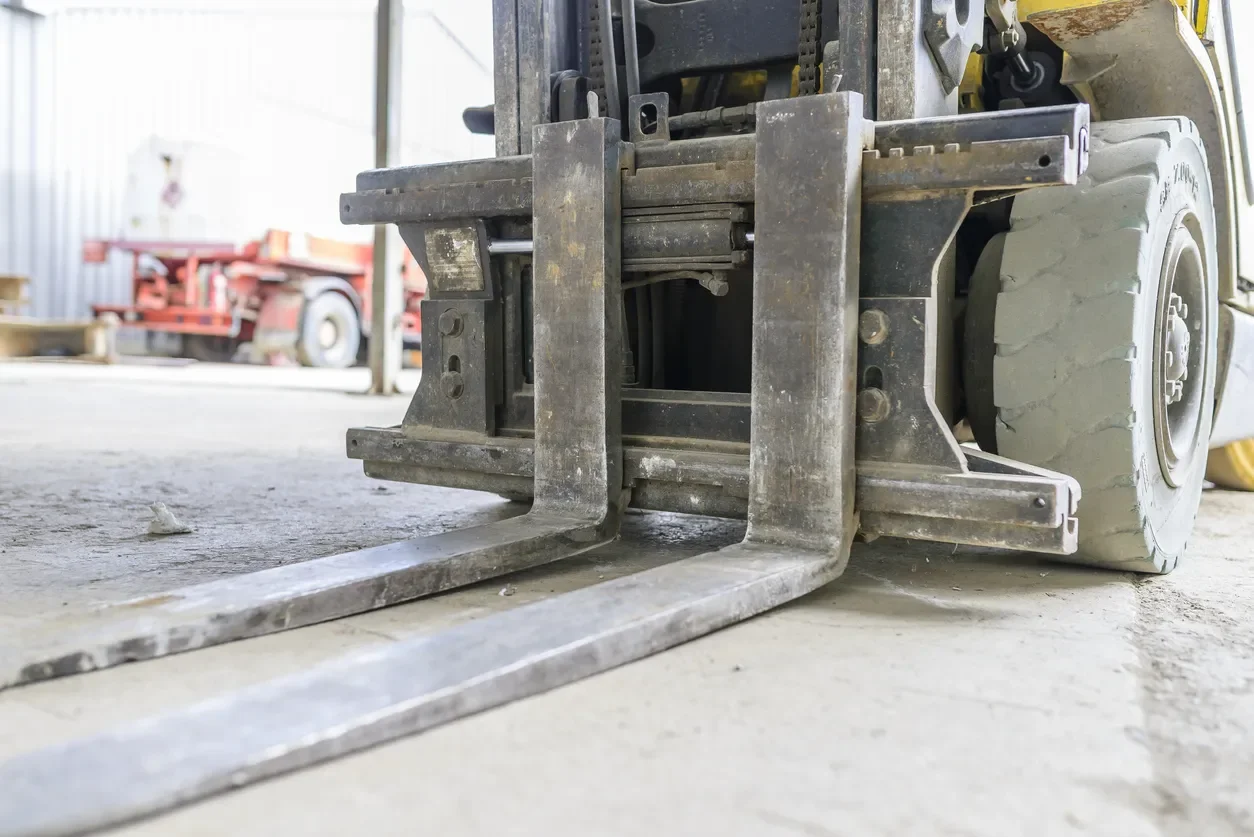
Forklift tynes are essential components in material-handling operations; improper use can cause serious injury or damage. A clear understanding of applicable safety regulations is therefore required for both operators and employers. This article provides an overview of core safety guidelines, relevant Australian regulations, and recommended practices for handling and maintaining forklift tynes. Compliance with these measures mitigates accident risk and supports a safer workplace. The sections below detail key safety features, inspection procedures, training obligations, and legal duties applicable to forklift tynes in Australia.
What Are the Essential Forklift Safety Guidelines for Tynes?
Essential safety guidelines for forklift tynes preserve operational safety and reduce risk. The principal measures are:
Pre-Operational Inspection : Before using forklift tynes, operators must conduct thorough inspections to ensure they are in good working condition. This includes checking for any visible damage or wear.
Load Capacity Awareness : Operators should always be aware of the load capacity of the forklift and the tynes being used. Overloading can lead to tipping and accidents.
Proper Training : All operators must receive adequate training on the safe use of forklift tynes, including how to handle loads correctly and the importance of maintaining balance.
Mandarin Imports & Exports supplies a range of forklift tynes manufactured to meet recognised safety standards, supporting regulatory compliance and operational reliability.
How Do Australian Forklift Safety Standards Apply to Forklift Tynes?
Australian regulations set mandatory safety expectations for forklifts and their attachments, including tynes. These standards require:
Regular Inspections : Forklift tynes must be inspected regularly to ensure they meet safety requirements and are free from defects.
Compliance with Standards : Operators must comply with Australian standards, which include guidelines on load handling and equipment maintenance.
Operator Training : Operators must receive proper training to understand the risks associated with forklift operations and how to mitigate them.
Familiarity with these standards is necessary to maintain workplace safety and to reduce the risk of enforcement action.
What Are the Key Safety Features of Forklift Tynes?
Forklift tynes include several design and manufacturing features intended to improve operational safety. Key features are:
Compliance with Safety Standards : Tynes are manufactured to meet specific safety regulations, ensuring they can handle designated loads without risk.
Durability and Material Options : High-quality materials are used in the construction of forklift tynes, providing strength and longevity under heavy use.
Regular Inspection Protocols : Safety features often include markings or indicators that help operators assess the condition of the tynes during inspections.
These features reduce the likelihood of accidents and support the secure handling of materials
when using reliable forklift equipment in Sydney.
How Should Forklift Tynes Be Safely Handled and Maintained?
Safe handling and maintenance of forklift tynes are central to accident prevention. Recommended practices include:
Regular Inspections : Conduct daily inspections to check for any signs of wear or damage.
Proper Usage : Always use tynes according to the manufacturer's specifications and avoid exceeding load limits.
Training : Ensure that all operators are trained in the correct handling techniques for forklift tynes.
Consistent application of these guidelines enables organisations to maintain a safe working environment and to minimise the risk of incidents.
What Are the Best Practices for Forklift Tynes Inspection and Maintenance?
Adopting best practices for inspection and maintenance materially improves safety and equipment reliability. These practices include:
Daily Inspections : Operators should perform daily checks before use, looking for cracks, bends, or other signs of damage.
Monthly Checks : A more thorough inspection should be conducted monthly, including checking the integrity of the tynes and their attachment points.
Preventive Maintenance : Regular maintenance schedules should be established to address any issues before they lead to failures.
The table below summarises standard inspection and maintenance practices:
| Inspection Type | Frequency | Key Actions |
|---|---|---|
| Daily Inspection | Daily | Check for visible damage and ensure proper function. |
| Monthly Check | Monthly | Conduct a thorough inspection of tynes and attachments. |
| Preventive Maintenance | As needed | Address any identified issues and perform repairs. |
These routines help ensure forklift tynes remain in optimal condition and reduce the probability of component failures.
How Does Proper Maintenance Prevent Forklift Tine Failures?
Proactive maintenance is fundamental to preventing tine failures. Regular inspections and maintenance identify defects early and allow for timely corrective action. Key elements include:
Regular Inspections : Frequent checks can catch wear and tear early, allowing for timely repairs.
Cleaning : Keeping tynes clean from debris and contaminants helps maintain their integrity and performance.
Proper Storage : Storing tynes in a dry, protected area prevents rust and damage.
By following these maintenance protocols, organisations can extend service life and strengthen workplace safety.
What Are the Forklift Training Requirements Related to Tynes Safety?
Training requirements for operators handling forklift tynes are critical to safe operation. Training should ensure operators understand:
Specific Challenges : Training should cover the unique challenges associated with using tynes, such as load balancing and stability.
Loading and Unloading Techniques : Proper techniques for loading and unloading materials are essential to prevent accidents.
Regular Refresher Courses : Ongoing training helps keep operators updated on safety practices and regulations.
Meeting these training requirements reduces accident risk and ensures competent operation.
Further emphasising the importance of training and adherence to safety standards, one study places forklift operation within broader workplace safety frameworks.
Which Certifications Are Required for Operators Handling Forklift Tynes?
Operators handling forklift tynes are generally required to hold recognised certifications that demonstrate their competence. Typical certifications include:
Forklift Operator Certification : This certification demonstrates that the operator has received the necessary training and understands safety protocols.
Safety Training Programs : Participation in safety training programs is often required to maintain certification and stay updated on best practices.
Possession of these certifications supports regulatory compliance and promotes a safety-focused culture within the organisation.
How Does Training Reduce Forklift Tynes Accident Risks?
Structured training significantly reduces risks associated with forklift tynes. Effective training enables operators to:
Understand Challenges : Operators learn to recognise and address the specific challenges of using forklift tynes.
Apply Correct Techniques : Training ensures that operators use correct techniques for loading and unloading, which is vital for maintaining stability.
Increase Awareness of Stability : Operators become more aware of the importance of load balance and stability, which can prevent accidents.
Investment in comprehensive training programs demonstrably lowers the likelihood of accidents involving forklift tynes.
How Can Forklift Accident Prevention Be Enhanced Through Tynes Safety Compliance?
Enhancing accident prevention through compliance with tynes safety regulations requires a coordinated approach. Key measures include:
Daily Inspections : Regular checks help identify potential issues before they lead to accidents.
Proper Maintenance : Adhering to maintenance schedules ensures that tynes remain in good working condition.
Training : Continuous training for operators reinforces safe practices and compliance with regulations.
When applied together, these measures improve workplace safety and reduce the incidence of forklift-related incidents.
What Are Common Causes of Forklift Tynes Accidents and How to Avoid Them?
Common causes of forklift tynes accidents include:
Improper Load Handling : Failing to secure loads properly can lead to tipping and accidents.
Operator Error : Lack of training or experience can result in mistakes during operation.
Equipment Failure : Neglecting maintenance can lead to equipment malfunctions.
To mitigate these causes, organisations should implement comprehensive training, perform regular inspections, and maintain equipment per manufacturer guidance.
How Do Updated Safety Regulations Impact Accident Rates?
Updated safety regulations typically contribute to lower accident rates when organisations adopt and comply with them. Compliance effects include:
Improved Safety Standards : Stricter regulations often result in higher safety standards for equipment and operations.
Increased Awareness : Regular updates to regulations keep safety at the forefront of operational practices.
Reduction in Accidents : Businesses that comply with updated regulations typically experience fewer accidents and injuries.
Maintaining awareness of regulatory updates is necessary to sustain a safe working environment.
What Are the Australia-Specific Forklift Tynes Safety Regulations and Compliance Requirements?
In Australia, specific regulatory requirements apply to forklift tynes. Core obligations include:
Compliance with Australian Standards : Businesses must adhere to Australian safety standards for equipment and operations.
Regular Inspections : Forklift tynes must be inspected regularly to ensure compliance with safety regulations.
Documentation : Proper documentation of inspections and maintenance activities is required for compliance.
Understanding these requirements is essential for Australian businesses to demonstrate compliance especially when using services like forklift hire, and to maintain a safe workplace.
How Do Australian HSE Guidelines Differ from Australian Regulations for Forklift Tynes?
The Australian Health and Safety Executive (HSE) guidance can differ from statutory regulations in emphasis and application. Differences may include:
Regulatory Focus : HSE guidelines may place a greater emphasis on risk assessment and management compared to current regulations.
Training Requirements : The specific training requirements for operators may vary between different regulatory bodies.
Compliance Procedures : The procedures for demonstrating compliance with safety regulations can differ, impacting how businesses approach safety.
Recognising these distinctions assists organisations operating across jurisdictions in meeting appropriate compliance obligations.
What Are the Legal Obligations for Australian Businesses Regarding Forklift Tynes Safety?
Australian businesses have defined legal obligations concerning forklift tynes safety, which typically include:
Compliance with Safety Standards : Businesses must ensure that all equipment meets safety standards set by regulatory bodies.
Documentation Requirements : Proper documentation of inspections, maintenance, and training is essential for compliance.
Employee Training : Employers are legally required to provide adequate training for all operators handling forklift tynes.
Fulfillment of these obligations is necessary to maintain a safe workplace and to avoid legal penalties.
Conclusion
Understanding and adhering to forklift tynes safety regulations is crucial for preventing accidents and ensuring a secure working environment. By implementing regular inspections, comprehensive operator training, and compliance with Australian standards, businesses can significantly mitigate risks associated with forklift operations. Investing in safety not only protects personnel but also enhances operational efficiency and regulatory compliance. For more insights on maintaining workplace safety, explore our extensive resources.